


Orders
.png&w=48&q=75 "login")
Profile


Wallet

Can You Replace Meals with Protein Snacks While Pregnant? What Indian Moms Should Know
 11 min
TL;DR
Protein snacks can be a real help in pregnancy, but they should not regularly replace balanced meals (ACOG, ICMR-NIN). A full meal gives you far more than protein: complex carbs for energy, healthy fats, vitamins and minerals for your baby, and fibre for digestion. Snacks are genuinely useful when appetite is low, between meals, on busy workdays and to manage cravings, but relying on them too often can mean nutritional gaps, too few calories and constipation. A typical protein biscuit has about 70 to 100 calories, while a balanced meal provides 400 to 600 or more, with diverse nutrients. The best approach is meals and smart snacks working together.
Quick Answer
No, protein snacks should not regularly replace meals in pregnancy. They are useful when appetite is low, between meals, on busy days or to manage cravings, but full meals provide carbs, fats, vitamins, minerals and fibre that snacks lack. Use snacks to supplement balanced meals, not replace them.
Author: Mylo Editorial Team, Mylo Parenting Desk Medically reviewed by: Mylo Editorial Board, aligned with ACOG, ICMR-NIN, WHO and FOGSI guidance Last updated: 24 June 2026
Medical Disclaimer: This article is for informational purposes only and is not a substitute for professional medical advice. Nutritional needs vary in pregnancy. Always follow your doctor's or dietitian's guidance, especially if you struggle to eat full meals.
Key Takeaways
- Protein snacks help, but should not regularly replace balanced meals (ACOG)
- Full meals provide carbs, healthy fats, vitamins, minerals and fibre, not just protein
- Snacks are useful for low appetite, busy days, meal gaps and cravings
- Relying on snacks can cause nutrient gaps, too few calories and constipation
- A protein biscuit has about 70 to 100 calories; a meal provides 400 to 600 or more
- Protein needs rise to about 50 to 75 grams a day across the trimesters
- Choose low-sugar, balanced snacks and watch portions
- Meals and smart snacks work best together
Why Are Balanced Meals Still Important in Pregnancy?
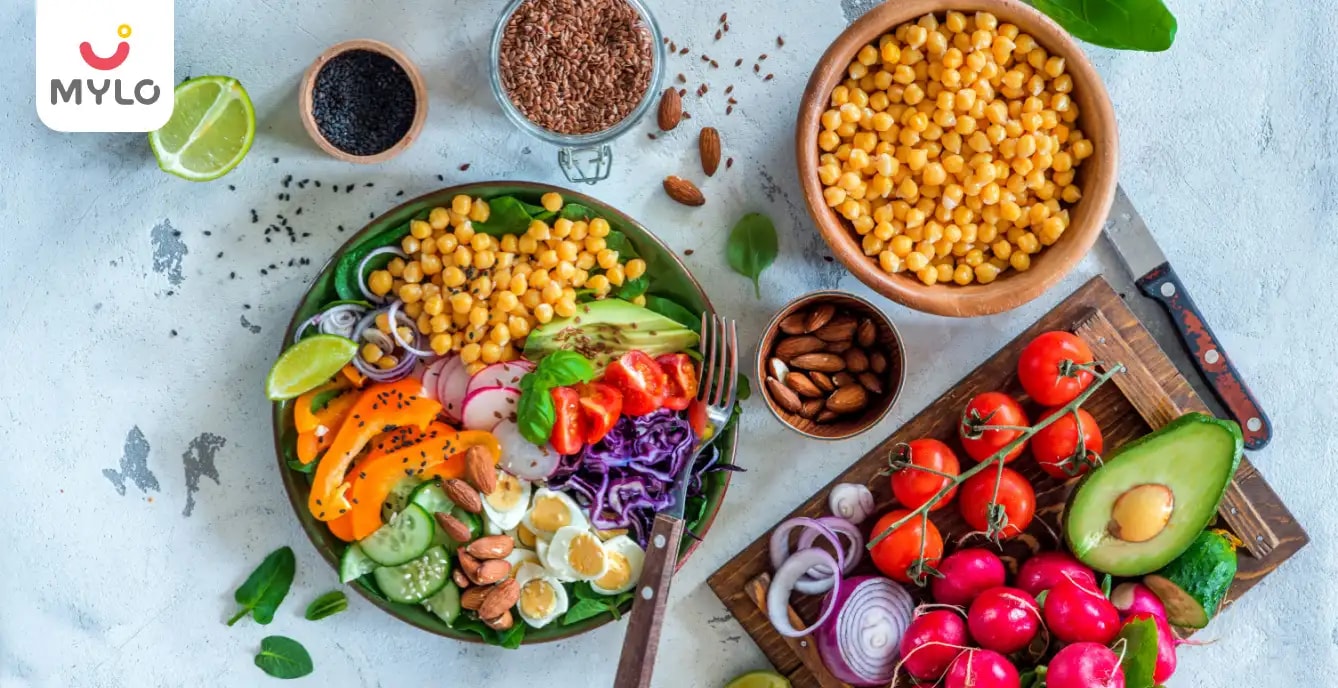
A complete meal gives you much more than protein. It provides complex carbohydrates for energy, healthy fats for hormone balance, vitamins and minerals for your baby's development, and fibre for digestion (WHO, ICMR-NIN). Protein alone cannot deliver all of this. A balanced pregnancy plate, for example, might include whole grains or rice, dal or lean protein, vegetables and a little healthy fat, which together support steady growth and energy.
Featured answer: No, protein snacks should not regularly replace meals during pregnancy. They are helpful when appetite is low, between meals, on busy days or to manage cravings, but full meals provide complex carbs, healthy fats, vitamins, minerals and fibre that snacks lack. A protein biscuit has about 70 to 100 calories, while a meal gives 400 to 600 or more. Use snacks to supplement, not replace, balanced meals.
How Much Protein Do Pregnant Women Need?
Protein needs rise to support rapid tissue growth (ICMR-NIN, ACOG).
| Trimester | Approximate daily protein |
|---|---|
| First trimester | About 50 to 60 grams |
| Second trimester | About 60 to 70 grams |
| Third trimester | About 70 to 75 grams |
Meeting these through a mix of meals and snacks ensures a steady nutrient supply.
When Can Protein Snacks Be Helpful?
Snacks earn their place in several situations (ACOG, NHS).
| Situation | How protein snacks help |
|---|---|
| Low appetite (early pregnancy) | Maintain nutrient intake when full meals are hard |
| Long gaps between meals | Prevent fatigue and blood sugar dips |
| Busy workdays | Stop you skipping food entirely |
| Cravings | Stabilise blood sugar instead of sugary treats |
When Should Protein Snacks NOT Replace Meals?
Useful as they are, snacks fall short as regular meal substitutes (ICMR-NIN, WHO).
| Reason | Why it matters |
|---|---|
| Limited nutrient variety | Snacks often lack iron, fibre, vitamins and healthy fats |
| Lower calorie intake | Meals (400 to 600 calories) provide the energy pregnancy needs |
| Digestive health | Whole foods give fibre that prevents constipation |
A label note: regular biscuits often contain 4 to 6 grams of sugar per piece, and if snacks replace meals too often, your sugar intake can rise while overall nutrition drops. Lower-sugar protein snacks are the better choice.
What Does a Balanced Day of Meals and Snacks Look Like?
The goal is meals and snacks working together, not snacks taking over (ICMR-NIN).
🍽️ A Balanced Pregnancy Day (Example)
Use this as a flexible template, not a strict rule:
- Breakfast: Eggs or curd with whole-grain toast or paratha
- Mid-morning snack: Yogurt, nuts or a low-sugar protein biscuit
- Lunch: Rice, dal and vegetables, with paneer or sprouts
- Afternoon snack: Roasted chana or a small handful of nuts
- Dinner: Paneer, dal or lean protein with vegetables and grains
- Optional bedtime snack: A glass of milk
This keeps nutrients steady across the day. Snacks fill the gaps between meals, they do not stand in for them.
How Do Protein Biscuits Compare?
When you do reach for a biscuit, a protein-enriched one is more filling and useful than a regular one. A typical protein biscuit has about 70 to 100 calories and 6 to 8 grams of protein (ICMR-NIN, FSSAI).
| Type | Protein | Sugar |
|---|---|---|
| Regular biscuit | 1 to 2 g | Higher |
| Protein-enriched biscuit | 6 to 8 g | Lower |
When choosing, look for 6 to 8 grams of protein, low or no added sugar, moderate calories and clear labelling, and remember that biscuits aimed at gym or fitness audiences may not suit pregnancy.
What Common Mistakes Should You Avoid?
Many moms unintentionally lean too hard on snacks (NHS, ICMR-NIN):
- Skipping meals because of fatigue
- Replacing lunch with packaged snacks
- Choosing high-sugar convenience foods
- Ignoring portion sizes
Balanced eating patterns beat quick fixes.
Indian Context: What Indian Moms Should Know
- Whole foods first: Dal, rice, roti, sabzi, curd, paneer, eggs and sprouts give the full range of nutrients snacks cannot (ICMR-NIN)
- Use snacks for the gaps: Roasted chana, sattu, nuts, curd and low-sugar protein biscuits are great between meals, not in place of them
- Do not skip lunch on busy days: A simple dal-rice-sabzi plate beats replacing a meal with a packet
- Mind iron and fibre: Snacks often miss these, so keep up palak, dates, gur, whole grains and your IFA tablets
- Read FSSAI labels: Check protein, sugar and calories on packaged snacks
- Mind GDM: If you have gestational diabetes, plan meals and snacks as your doctor advises
- Emergency number: Dial 108 for ambulance services across most states
Myths vs Facts About Snacks and Meals
| Myth | Fact | Source |
|---|---|---|
| "Protein snacks can replace meals" | They supplement, not replace, balanced meals | ACOG |
| "Skipping a meal for a snack saves calories" | Pregnancy needs the calories and nutrients of meals | ICMR-NIN |
| "Protein is all a pregnant body needs" | You also need carbs, fats, vitamins, minerals and fibre | WHO |
| "Packaged snacks are as complete as meals" | They lack the variety whole-food meals provide | ICMR-NIN |
| "All protein biscuits are low in sugar" | Many are high in sugar; always check the label | FSSAI |
Frequently Asked Questions
Can protein snacks replace meals during pregnancy? No, they should supplement meals, not regularly replace them (ACOG). Full meals provide carbs, fats, vitamins, minerals and fibre that snacks lack. Snacks are best for low-appetite or busy days and meal gaps.
Kya pregnancy mein protein snacks meals ki jagah le sakte hain? (Hinglish) Nahi, protein snacks meals ko support karte hain, lekin unki jagah regular nahi le sakte. Poora meal protein ke saath carbs, healthy fats, vitamins, minerals aur fibre deta hai jo snacks mein kam hote hain. Snacks ko meals ke beech ke gaps bharne ke liye lein, meal ki jagah nahi.
How much protein do pregnant women need daily? About 50 to 75 grams a day, rising across the trimesters (ICMR-NIN). A mix of meals and snacks makes this easier to reach.
How much sugar is in a biscuit? Regular biscuits may contain about 4 to 6 grams of sugar per piece (ICMR-NIN). If snacks replace meals often, this sugar adds up, so low-sugar options are better.
How many calories are in a typical protein biscuit? Most contain about 70 to 100 calories per piece (FSSAI), while a full meal usually provides 400 to 600 calories or more along with diverse nutrients.
Which biscuit has more protein? Protein-enriched biscuits (around 6 to 8 grams per serving) contain significantly more than regular biscuits (around 1 to 2 grams), making them more filling as a snack (ICMR-NIN).
Are high-protein biscuits in India safe during pregnancy? They can be, when they provide balanced nutrition, low sugar and clear labelling that meets FSSAI standards (FSSAI). They should complement a balanced diet, not replace meals.
What happens if I rely only on snacks instead of meals? You may take in too few calories and miss key nutrients like iron, fibre, healthy fats and vitamins, which can cause fatigue, nutritional gaps and constipation (ICMR-NIN). Balanced meals remain the foundation.
Final Thoughts: Snacks Support Meals, Not Replace Them
Protein snacks can be a real help in pregnancy. They support your energy, help manage cravings, and make it easier to meet daily protein goals, especially on busy or low-appetite days.
But they work best alongside balanced meals, not instead of them. A healthy pregnancy diet rests on whole foods, balanced nutrients, consistent eating patterns and smart snack choices. When meals and snacks work together, both mother and baby get the nourishment they need for a healthy journey.
References
- American College of Obstetricians and Gynecologists (ACOG). "Nutrition During Pregnancy." https://www.acog.org/womens-health/faqs/nutrition-during-pregnancy
- Indian Council of Medical Research, National Institute of Nutrition (ICMR-NIN). "Dietary Guidelines for Indians." https://www.nin.res.in
- World Health Organization (WHO). "Nutrition in Pregnancy." https://www.who.int
- NHS UK. "Healthy Eating in Pregnancy." https://www.nhs.uk/pregnancy/
- FOGSI (Federation of Obstetric and Gynaecological Societies of India). https://www.fogsi.org
- Food Safety and Standards Authority of India (FSSAI). "Food Labelling Standards." https://www.fssai.gov.in
Article Posted Under
Related Articles
Guide: Following A Healthy Diet During Your First Trimester Of Pregnancy
 72·
72· 6 min
6 min Confused what to eat during your pregnancy: Check out diet chart for 10 week pregnancy
 14·5 min
 Indian Food to Increase Breast Milk: Everything You Need to Know
 2·10 min
 Top 5 Nutrients A Lactating Mother Should Include In Her Diet
 486·4 min
Related Topics
.webp&w=32&q=75)
Medical Disclaimer
This content is for informational purposes only and should not replace professional medical advice. Consult with a physician or other health care professional if you have any concerns or questions about your health. If you rely on the information provided here, you do so solely at your own risk.


AWARDS AND RECOGNITION

Mylo wins Forbes D2C Disruptor award
Mylo wins The Economic Times Promising Brands 2022
AS SEEN IN












- Mylo Care: Effective and science-backed personal care and wellness solutions for a joyful you.
- Mylo Baby: Science-backed, gentle and effective personal care & hygiene range for your little one.
- Mylo Community: Trusted and empathetic community of 10mn+ parents and experts.


Product Categories
Baby Carrier | Baby Soap | Baby Wipes | Stretch Marks Cream | Baby Cream | Baby Shampoo | Baby Massage Oil | Baby Hair Oil | Stretch Marks Oil | Baby Body Wash | Baby Powder | Baby Lotion | Diaper Rash Cream | Newborn Diapers | Teether | Baby Kajal | Baby Diapers Pants | Cloth Diapers | Laundry Detergent | Lactation Granules |