


Orders

Profile

Urine Leakage During Pregnancy: Causes & Treatment
 18 Likes|
 6 min
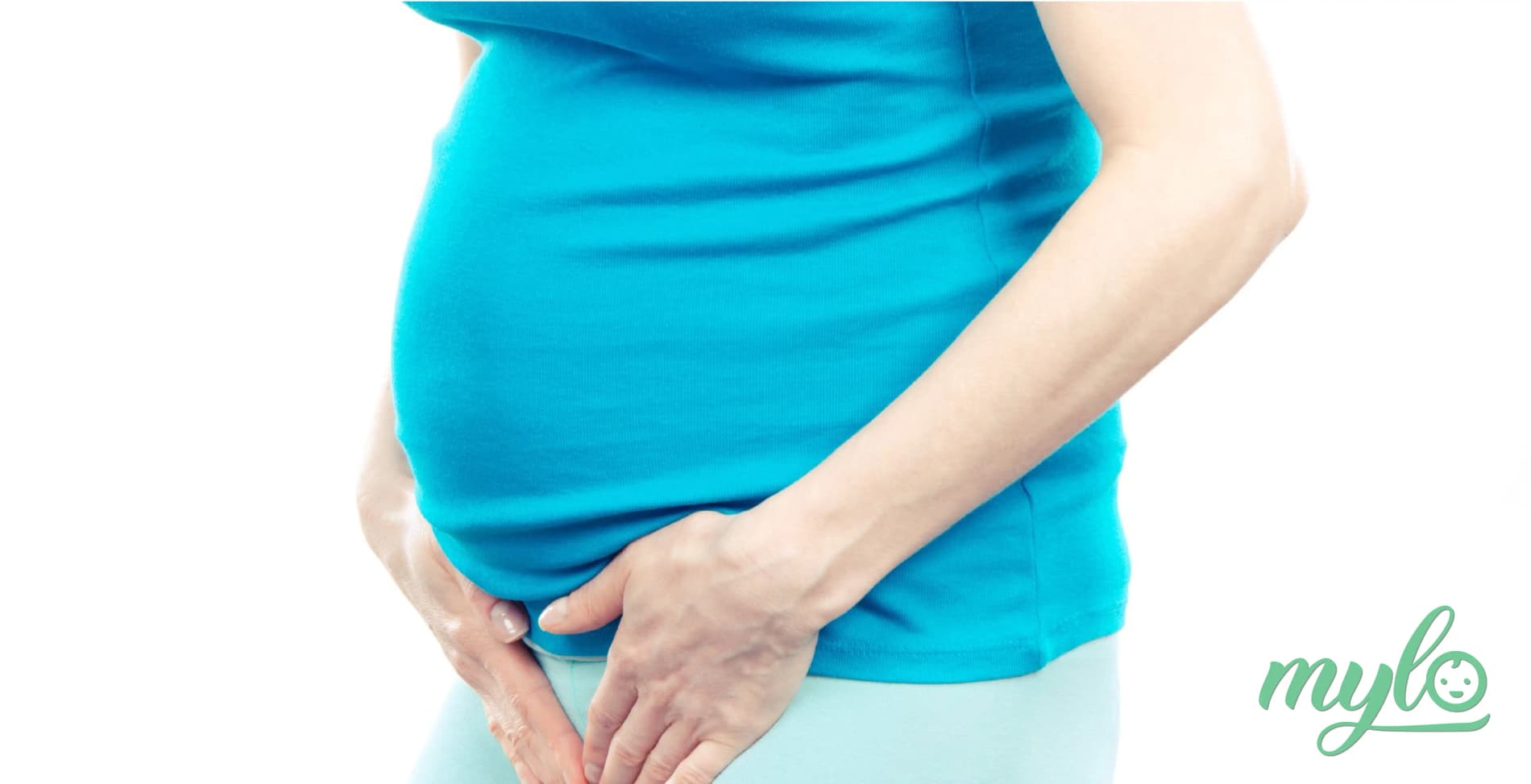
6 minPregnancy is a time of joy and excitement, but it can also be full of surprises and struggles. One of the most common issues that pregnant women experience is urine leakage. Urine leakage during pregnancy can not only be embarrassing, but it can also lead to potential health concerns if not managed properly.
In this article, we will explore the causes, symptoms, and treatments for the leakage of urine during pregnancy.
What is pregnancy incontinence?
Pregnancy incontinence is the involuntary leakage of urine during pregnancy. It is a common problem, affecting up to 50% of pregnant women. Urine leakage can range from a few dribbles to a full-blown accident.
There are two types of urinary incontinence in pregnancy:
1. Stress incontinence
It is caused by the extra weight of the baby and the uterus putting pressure on the bladder. This can cause leakage when coughing, sneezing, or laughing.
2. Urge incontinence
It is caused by hormonal changes during pregnancy, which can make the bladder muscles more sensitive and lead to urges to urinate even when the bladder isn’t full.
How does a bladder function?
The bladder is a muscle that stores urine until it is ready to be released. When the bladder muscles contract, urine is forced out of the body through the urethra. During pregnancy, the uterus puts pressure on the bladder, which can cause urine leakage.
How does bladder control change throughout pregnancy and childbirth?
Urine leakage during pregnancy third trimester is the most common issue faced by women. Childbirth can also cause urine leakage. The strain of pushing can weaken the pelvic floor muscles, which support the bladder and help keep it closed. This can lead to incontinence or the inability to control urination.
Is leaking of urine during pregnancy common?
Leaking of urine during pregnancy is quite common and can be caused by several factors. The most common cause is the increased pressure on the bladder from the growing uterus. This can cause the muscles that control urine flow to weaken and allow small amounts of urine to leak out.
What causes women to lose bladder control after pregnancy and childbirth?
Some potential causes of urine leakage include:
- Hormonal changes during pregnancy and after childbirth.
- Damage to the nerves that control the bladder (neurogenic bladder).
- Pelvic organ prolapse (when one or more of the organs in the pelvis slip down from their normal position).
- Urinary tract infection
How to diagnose issues with bladder control during or after pregnancy?
The most common symptom of bladder control issues during or after pregnancy is urine leakage. Other symptoms can include frequent urination, urgency, and/or incontinence. If you are experiencing any of these symptoms, it is important to consult with your healthcare provider to rule out any underlying medical conditions. After any potential medical causes have been ruled out, your healthcare provider can help you determine if your symptoms are due to pregnancy-related changes or other factors.
Several things can contribute to bladder control issues during or after pregnancy. These include pregnancy-related changes, changes in bowel habits, weak pelvic floor muscles, and overactive bladder.
Treatment for urine leakage during pregnancy
The most common treatment for urine leakage during pregnancy is lifestyle changes. This includes several home remedies that can help to manage urine leakage during pregnancy:
- The most important thing is to drink plenty of water throughout the day. This will help to reduce the pressure on the bladder and reduce the frequency of urine leakage.
- Avoiding foods and drinks that can irritate the bladder, such as caffeine, alcohol, and spicy foods can help to reduce urine leakage.
- Pregnant women can limit the intake of beverages in the evening to prevent frequent bathroom trips at the night.
- Avoid activities that can increase the pressure on the bladder, such as jumping, running, or lifting heavy objects.
- Doing Kegel exercises regularly can help to strengthen the pelvic floor muscles and reduce the frequency of urine leakage.
- The additional weight around the abdomen can increase the pressure over the bladder. Thus, pregnant women should ensure that they maintain average and healthy weight gain throughout pregnancy.
- In some cases, the doctor may prescribe medications to help control urine leakage. These medications can help to reduce the frequency of urine leakage and improve bladder control.
How to prevent loss of bladder control due to pregnancy or childbirth?
Several things can be done to prevent or treat urinary incontinence during pregnancy or after childbirth:
1. Kegel Exercises
These exercises strengthen the pelvic floor muscles, which support the bladder and help to prevent urine leakage.
2. Bladder Training
This involves gradually increasing the time between visits to the bathroom so that the bladder can hold more urine.
3. Fluid Management
Drinking enough fluids helps dilute the urine and makes it less likely to leak out. Avoiding caffeine and other diuretics can also help.
4. Medications
Some medications can be used to treat urinary incontinence, including anticholinergics, beta-blockers, and tricyclic antidepressants.
5. Surgery
In severe cases, surgery may be necessary to correct the problem.
Incontinence products for urine leakage during pregnancy
Incontinence products, such as absorbent pads, can be useful for managing urine leakage during pregnancy. These products can help to absorb the leakage and keep you feeling dry and comfortable. Additionally, these products are discreet and can be worn under clothing, making them a convenient option for managing urine leakage.
Conclusion
Urine leakage during pregnancy is a common condition experienced by many pregnant women. It is important to remember that it is a manageable condition and there are ways to cope with it. Remember, you are not alone and there are ways to cope with urine leakage during pregnancy.
Article Posted Under
Related Articles
Frequent Urination During Pregnancy: Causes, Treatment & When to Call a Doctor
 134·7 min
 Are you Concerned about rectal bleeding in your pregnancy? Here're some relief tips for you!
 6 min
6 min The Ultimate Guide to Home Remedies for Loose Motion in Pregnancy
 20·6 min
 Urinary Tract Infection (UTI): Causes, Symptoms & Treatment
 391·11 min
Related Topics
.webp&w=32&q=75)
Medical Disclaimer
This content is for informational purposes only and should not replace professional medical advice. Consult with a physician or other health care professional if you have any concerns or questions about your health. If you rely on the information provided here, you do so solely at your own risk.


AWARDS AND RECOGNITION

Mylo wins Forbes D2C Disruptor award

Mylo wins The Economic Times Promising Brands 2022
AS SEEN IN












- Mylo Care: Effective and science-backed personal care and wellness solutions for a joyful you.
- Mylo Baby: Science-backed, gentle and effective personal care & hygiene range for your little one.
- Mylo Community: Trusted and empathetic community of 10mn+ parents and experts.


Product Categories
Baby Carrier | Baby Soap | Baby Wipes | Stretch Marks Cream | Baby Cream | Baby Shampoo | Baby Massage Oil | Baby Hair Oil | Stretch Marks Oil | Baby Body Wash | Baby Powder | Baby Lotion | Diaper Rash Cream | Newborn Diapers | Teether | Baby Kajal | Baby Diapers Pants | Cloth Diapers | Laundry Detergent | Lactation Granules |