


Orders
.png&w=48&q=75 "login")
Profile


Wallet

Nosebleeds During Pregnancy: Causes, How to Stop Them & When to Worry

 381 Likes|
 8 min
8 minKey Takeaways
Quick overview in 30 seconds.webp&w=32&q=75)
Summary
- Nose bleeding during pregnancy is common, affecting nearly 20% of expecting mothers due to hormonal changes and increased blood volume circulating through the tiny vessels inside the nose.
- To stop a nosebleed, sit upright, pinch the soft part of your nose for ten minutes, breathe through your mouth, and apply an ice pack on the bony area.
- Prevent future nose bleeds by avoiding hard sneezes, gently blowing your nose, using a humidifier in dry weather, and skipping vigorous exercise for 12 hours after bleeding.
- What can soothe dry nasal passages during pregnancy? Explore our Baby Wellness Kit | Skincare Gift Set for Newborns.
 4.4
4.4TL;DR
Nosebleeds are common in pregnancy, affecting up to about 20% of women, and are usually harmless (NHS). They happen because higher blood volume and pregnancy hormones swell the tiny blood vessels lining your nose, so they burst more easily, especially in dry weather. To stop one: sit up, lean slightly forward, and pinch the soft part of your nose for 10 to 15 minutes without letting go. To prevent them, keep the air moist with a humidifier (not a dehumidifier), blow your nose gently, and stay hydrated. Most nosebleeds stop on their own, but see your doctor if bleeding is very heavy, lasts more than 20 minutes, or keeps coming back.
Quick Answer
Nosebleeds in pregnancy are common and usually nothing to worry about. Increased blood flow and hormones make the delicate vessels inside your nose more fragile. To stop a nosebleed, sit upright, lean slightly forward, and firmly pinch the soft part of your nose for 10 to 15 minutes while breathing through your mouth. Prevent them by keeping indoor air humid with a humidifier, blowing your nose gently, avoiding nose-picking, and staying hydrated. Contact your doctor if a nosebleed is very heavy, lasts over 20 minutes, happens often, or comes with severe headache or high blood pressure.
Author: Mylo Editorial Team, Mylo Parenting Desk Medically reviewed by: Mylo Editorial Board, aligned with NHS and FOGSI guidance Last updated: 8 July 2026
Medical Disclaimer: This article is for informational purposes only and is not a substitute for professional medical advice. While most nosebleeds in pregnancy are harmless, heavy or repeated nosebleeds, or those with severe headache, vision changes or swelling, can occasionally signal high blood pressure and should be checked by your doctor promptly.
Key Takeaways
- Nosebleeds affect up to about 20% of pregnant women and are usually harmless (NHS)
- They happen because higher blood volume and hormones swell the nose's tiny vessels
- To stop one: sit up, lean slightly FORWARD, and pinch the soft nose for 10 to 15 minutes
- Do NOT tip your head back, that lets blood run down your throat
- Prevent them with a humidifier (adds moisture); a dehumidifier removes moisture and can make things worse
- Blow your nose gently, avoid nose-picking, and stay well hydrated
- See a doctor for very heavy, long (over 20 minutes) or frequent nosebleeds, or with severe headache
Why Do Nosebleeds Happen During Pregnancy?
During pregnancy, the amount of blood circulating in your body rises, and your heart works harder to move it. This extra blood also flows through the lining of your nose. At the same time, pregnancy hormones cause the delicate blood vessels inside the nose to swell and soften (Cleveland Clinic).
Because these tiny vessels are fuller and more fragile than usual, they can burst easily, sometimes after a sneeze, a nose blow, or simply in dry air, causing a nosebleed. Bleeding may last from a few seconds to several minutes and can come from one or both nostrils. This is a normal part of pregnancy for many women.
How to Stop a Nosebleed During Pregnancy
Follow these steps calmly, most nosebleeds stop within 10 to 15 minutes:
- Sit up straight and lean slightly forward (do not tip your head back, as that sends blood down your throat and can make you feel sick)
- Pinch the soft part of your nose, just below the bony bridge, firmly between your thumb and forefinger
- Hold the pinch for a full 10 to 15 minutes without letting go to check, releasing too soon can restart the bleed
- Breathe through your mouth while you pinch
- You can place an ice pack on the bridge of your nose or the back of your neck to help slow the flow
- Release gently after 10 to 15 minutes and check if the bleeding has stopped
- If it has not, repeat the pinch for another 10 to 15 minutes
After it stops, avoid bending down, heavy lifting or blowing your nose for several hours so the clot is not disturbed.
How to Prevent Nosebleeds in Pregnancy
A few simple habits reduce how often nosebleeds happen:
| Do | Why |
|---|---|
| Blow your nose gently, one side at a time | Hard blowing bursts fragile vessels |
| Sneeze with your mouth open | Reduces pressure inside the nose |
| Use a humidifier, especially in winter or with AC | Moist air stops the nasal lining drying and cracking |
| Stay well hydrated | Keeps the nasal lining moist from within |
| Apply a little petroleum jelly or saline drops inside the nostrils | Keeps the lining from drying out |
| Avoid picking your nose | Prevents direct injury to the vessels |
| Avoid vigorous exercise for a few hours after a bleed | Reduces the chance of restarting it |
Important correction to a common tip: use a humidifier, which adds moisture to dry air. A dehumidifier does the opposite, it removes moisture, which dries the nose further and can make nosebleeds more likely.
When Should You Call Your Doctor?
Most nosebleeds are harmless, but contact your doctor or seek care if:
- The bleeding is very heavy or does not stop after 20 to 30 minutes of proper pinching
- You are having nosebleeds very often
- The nosebleed follows a blow or injury to the head or face
- You feel faint, dizzy or breathless
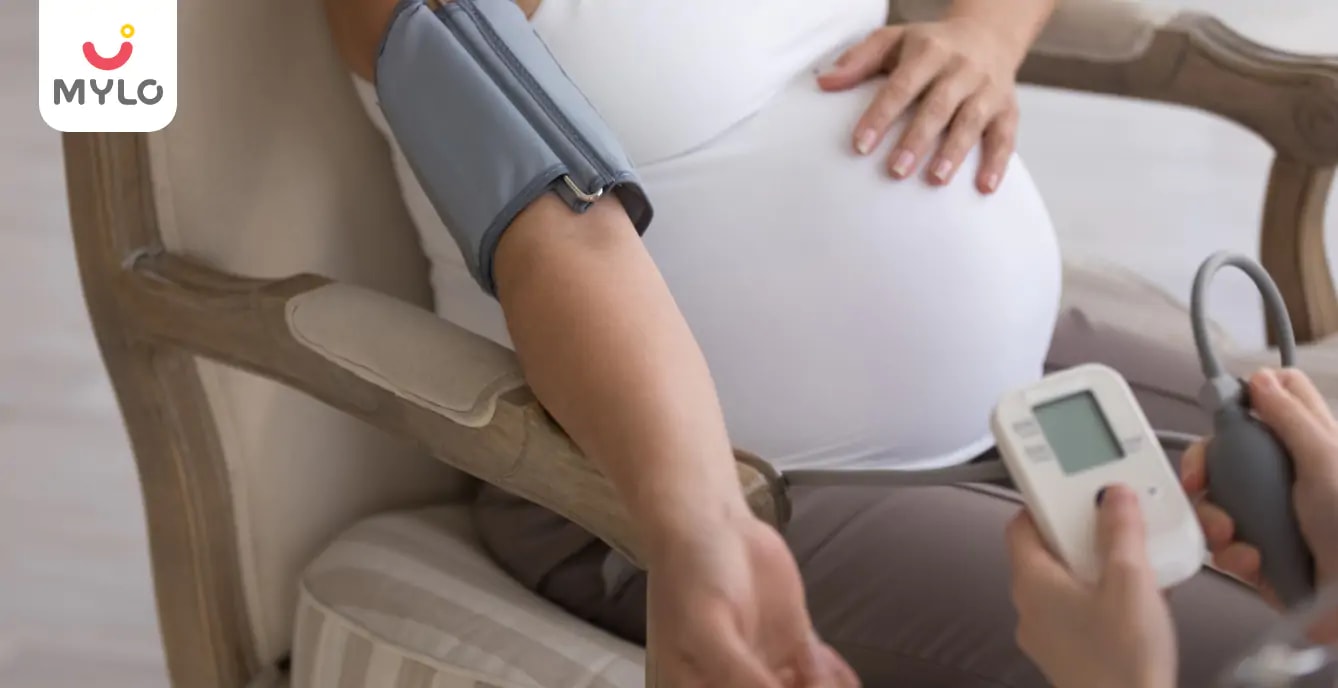
- It comes with a severe headache, vision changes, or sudden swelling, which can be signs of high blood pressure in pregnancy and need prompt review
Indian Context
In India, nosebleeds often increase in dry winter months and in air-conditioned rooms, both of which dry out the nasal lining. Keeping a bowl of water or a humidifier in the room, staying hydrated, and dabbing a little coconut oil or saline inside the nostrils can help. If you get frequent or heavy nosebleeds, ask your doctor to check your blood pressure and iron levels at your next antenatal visit, rather than ignoring them.
Myths vs Facts
| Myth | Fact |
|---|---|
| Tip your head back to stop a nosebleed | Lean slightly forward, tipping back sends blood down your throat |
| Nosebleeds in pregnancy are always dangerous | They are usually harmless; only heavy, long or frequent ones need review |
| A dehumidifier helps prevent nosebleeds | You need a humidifier to add moisture; a dehumidifier dries the air |
| You should stop pinching every minute to check | Hold for a full 10 to 15 minutes, checking too soon restarts the bleed |
Frequently Asked Questions
Pregnancy mein baar baar naak se khoon aa raha hai, kya yeh normal hai? (Hinglish)
Pregnancy mein kabhi kabhi naak se khoon aana common aur aksar harmless hota hai, kyunki blood flow aur hormones naak ki naazuk naso ko swollen kar dete hain. Lekin agar bahut zyada ya baar baar ho raha hai, ya tez sar dard ke saath ho, to doctor se BP check karwayein.
Naak se khoon aane par turant kya karein? (Hinglish)
Seedha baithein, thoda aage jhukein, aur naak ke naram hisse ko 10 se 15 minute tak dabaye rakhein, beech mein chhodein nahin. Muh se saans lein. Sar peeche na karein. 10-15 minute baad bhi na ruke to phir se dabayein.
Do nosebleeds harm the baby?
No. A typical nosebleed does not harm your baby. It is uncomfortable for you but not dangerous to the pregnancy. Only very heavy blood loss or an underlying issue like high blood pressure needs medical attention.
Why are nosebleeds worse in winter during pregnancy?
Cold, dry air (and indoor heating or AC) dries out the lining of the nose, making the already fragile pregnancy vessels crack and bleed more easily. A humidifier and staying hydrated help.
Can nosebleeds be a sign of high blood pressure in pregnancy?
Occasionally. A single mild nosebleed is usually nothing, but frequent or heavy nosebleeds with severe headache, vision changes or swelling should prompt a blood pressure check, as these can signal high blood pressure.
References
- NHS. Nosebleeds in pregnancy. www.nhs.uk
- Cleveland Clinic. Nosebleed (Epistaxis). my.clevelandclinic.org
- Mayo Clinic. Nosebleeds: First aid. www.mayoclinic.org
Trusted comfort for every expecting mama's pregnancy journey
Gentle skincare and wellness essentials that support your changing body and keep dryness-related discomforts at bay during pregnancy.
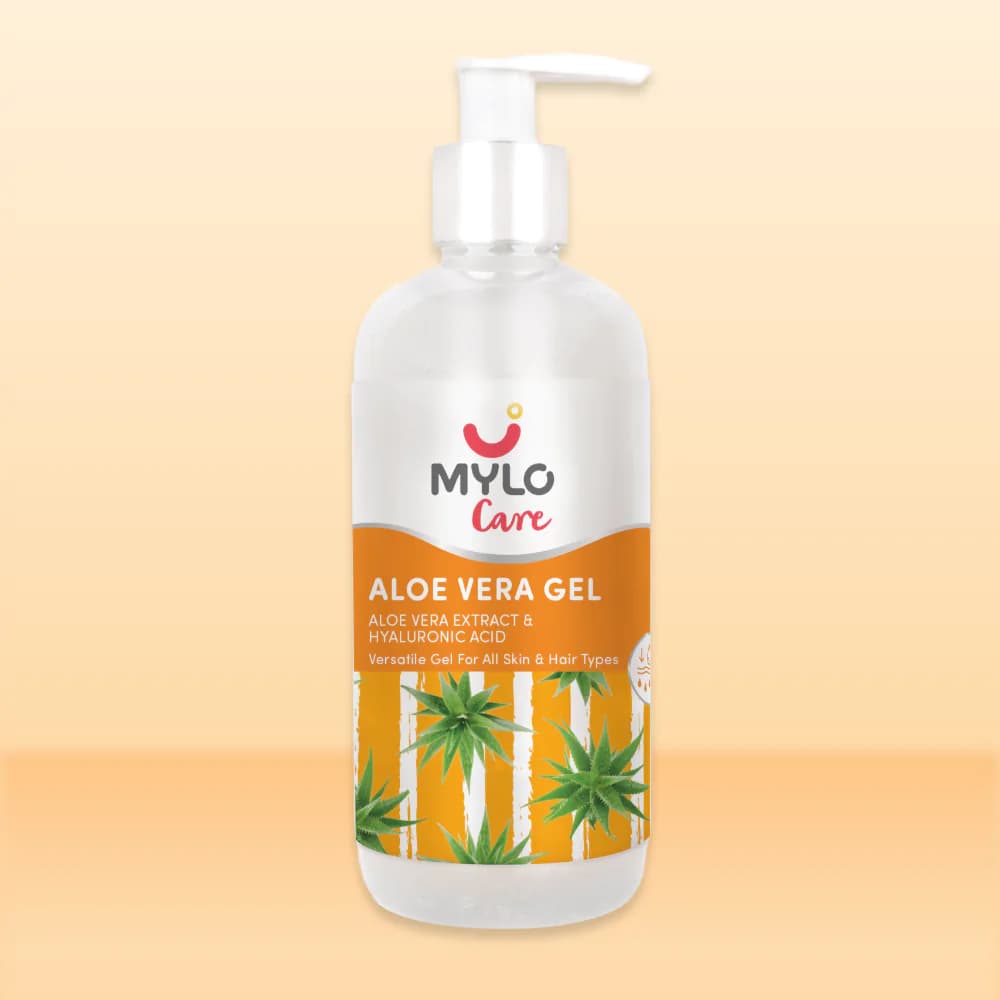
Organic Aloe Vera (300 ml)
Nurtures Skin & Hair | Reduces Suntan | Soothes Burns | Enhances Hair Resilience


Article Posted Under
Related Articles



Related Topics
.webp&w=32&q=75)
Medical Disclaimer
This content is for informational purposes only and should not replace professional medical advice. Consult with a physician or other health care professional if you have any concerns or questions about your health. If you rely on the information provided here, you do so solely at your own risk.


AWARDS AND RECOGNITION

Mylo wins Forbes D2C Disruptor award

Mylo wins The Economic Times Promising Brands 2022
AS SEEN IN













- Mylo Care: Effective and science-backed personal care and wellness solutions for a joyful you.
- Mylo Baby: Science-backed, gentle and effective personal care & hygiene range for your little one.
- Mylo Community: Trusted and empathetic community of 10mn+ parents and experts.


Product Categories
Baby Carrier | Baby Soap | Baby Wipes | Stretch Marks Cream | Baby Cream | Baby Shampoo | Baby Massage Oil | Baby Hair Oil | Stretch Marks Oil | Baby Body Wash | Baby Powder | Baby Lotion | Diaper Rash Cream | Newborn Diapers | Teether | Baby Kajal | Baby Diapers Pants | Cloth Diapers | Laundry Detergent | Lactation Granules |