


Orders

Profile

Peach (Aadu) in Pregnancy: Is It Safe? Benefits, Risks & Daily Limit
 8 min
8 minAI-Generated Summary
Quick overview in 30 seconds.webp&w=32&q=75)
Summary
- Peaches (aadu) are safe during pregnancy when eaten fresh, washed, and in moderation, providing vitamin C, vitamin A, potassium, and fibre that support fetal growth and ease constipation.
- One medium peach offers just 58 calories with iron-absorbing vitamin C, potassium for cramps and BP, folate for neural tube development, and 89% water content for hydration during Indian summers.
- Pregnant women can safely eat 1-2 medium peaches daily; overeating may cause bloating, diarrhoea, or sugar spikes, so mothers with gestational diabetes should limit intake and consult their doctor.
- Looking for nourishing pregnancy nutrition support? Explore our Pregnancy Massage Oil + Coconut Oil - 200 ml each.
 4.7
4.7 4.9
4.9 4.6
4.6 4.4
4.4Pregnancy is a difficult journey, and one of the toughest choices to make during pregnancy is figuring out your diet. During pregnancy, the expecting mother needs to pack her diet with necessary nutrients, vitamins and minerals because she is not only eating for herself but also for her growing foetus. This brings us to the question, should a woman eat peach in pregnancy?
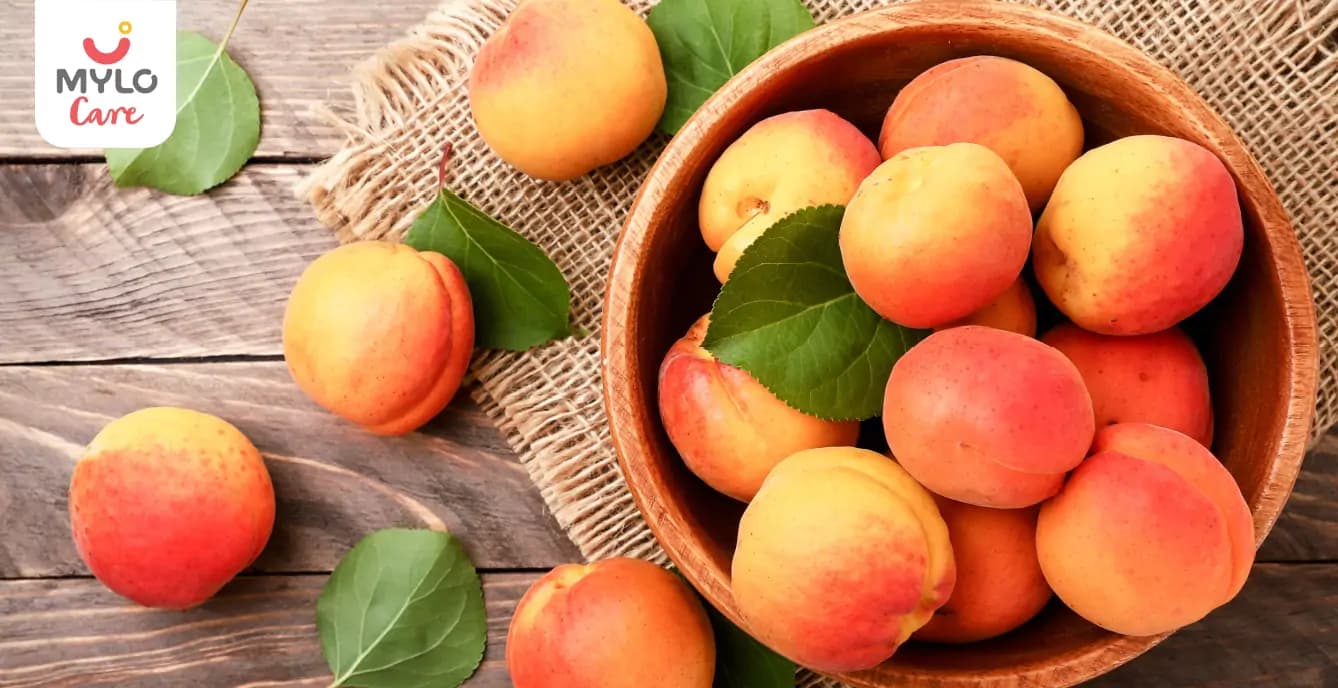
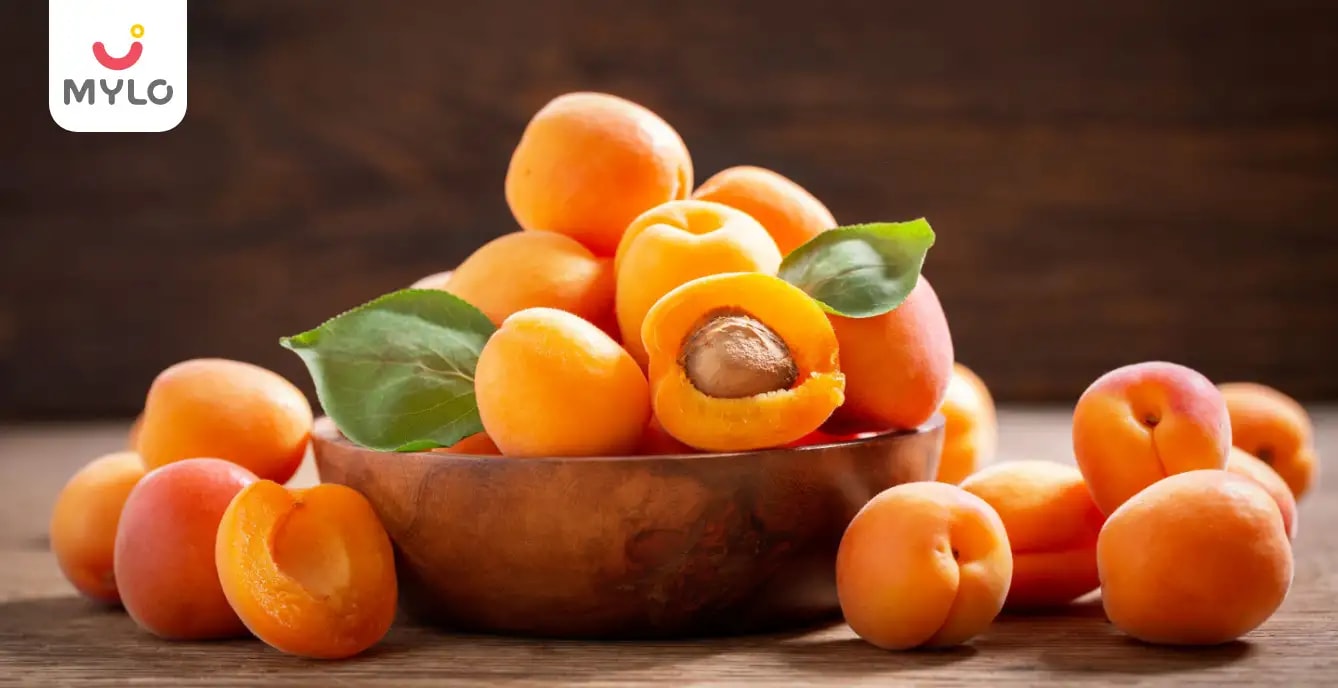
Peaches are a powerhouse of fibres, vitamins and minerals. They are not very high in calories and fats, making them an excellent addition to a pregnant woman's diet. Peaches have been known to serve many benefits to pregnant women and their growing babies, and it is recommended that a woman include peaches as part of her diet during her pregnancy journey.
If you are wondering whether you can eat peach in pregnancy, the answer is yes! However, peaches need to be consumed in moderation. Let's find out all about the benefits of consuming peach during pregnancy, their benefits, and their effects. We will also take a look at how pregnant women can include peaches as part of their pregnancy diet.
Is it safe to eat peaches during pregnancy?
Yes, peaches (aadu) are safe during pregnancy when eaten fresh, washed, and in moderation, about 1-2 peaches per day. They provide vitamin C, vitamin A, potassium, and fibre that support fetal growth and ease constipation. Always wash peaches under running water for 20 seconds to remove pesticides, and avoid canned peaches in heavy syrup.
Generally speaking, it is safe to eat peach during pregnancy. Peaches contain nutrients like proteins, sugar, zinc and pectin and are considered a healthy addition to one's diet. Peaches also contain vitamin C, which plays an important role when it comes to the absorption of iron and the development of the foetus' bones and teeth, cartilage, muscles, and blood vessels. The consumption of peaches can also help prevent the foetus from developing neural tube defects.
What is the nutritional value of peaches during pregnancy?
One medium peach (150g) contains just 58 calories, 14g carbs, 2.3g fibre, 1.4g protein, 10mg vitamin C, 489 IU vitamin A, 285mg potassium, and 6mcg folate. It also offers antioxidants like beta-carotene and lutein. These nutrients support fetal eye development, maternal immunity, and healthy digestion, making peaches a nutrient-dense summer fruit.
In terms of their nutritional value, peaches are very low in calories. They contain sugar, fibre, protein, iron, potassium, magnesium, vitamin A and vitamin C in substantial amounts and contain a small number of carbohydrates and fat.
What are the benefits of eating peaches during pregnancy?
Peaches offer six pregnancy benefits: vitamin C boosts iron absorption and immunity, potassium prevents leg cramps and high BP, fibre eases constipation, vitamin A supports fetal eyes and skin, folate prevents neural tube defects, and natural sugars fight fatigue. One to two peaches daily also aid hydration thanks to their 89% water content, ideal for Indian summers.
There are abundant health benefits for pregnant women when it comes to consuming peaches during pregnancy.
-
Absorption of Iron and Prevention of Anemia: Many pregnant women undergo a deficiency of iron in their bodies during pregnancy. This can lead to anaemia, fatigue, weakness etc. Peaches contain a substantial amount of vitamin C, which helps the body absorb iron, thereby reducing the risk of anaemia. Vitamin C found in peaches also helps the foetus develop in terms of its bones, teeth, muscles and cartilage.
-
Maintaining Bodily Fluids: During pregnancy, the expecting mother needs to consume a diet which helps her maintain bodily fluids in a balanced manner. Potassium found in peaches assists in doing this. Potassium from peaches is also useful for mitigating swellings, cramps and bloating. Consuming peaches also helps a pregnant woman counter mood swings, and keep anxiety and depression at bay.
-
Aids Digestion: Peaches contain an adequate amount of dietary fibres, which are great for regulating a pregnant woman's bowel movements. Consuming peaches helps in aiding digestion and keeping constipation and bloating at bay.
-
Prevents Risk of Premature Contractions: Peaches are a source of magnesium which is important for pregnant women to intake. Magnesium disallows a woman's uterus to undergo premature contractions. It also helps in preventing constipation and cramps.
-
In addition to the above, peaches are also a source of folic acid, beta-carotene and phosphorous. Peaches are also very useful in helping pregnant women manage their weight.
How many peaches can a pregnant woman eat per day?
Pregnant women can safely eat 1 to 2 medium peaches per day, totalling 150-300 grams. This provides enough vitamin C, potassium, and fibre without excess sugar. Eating more than 3 peaches daily may cause bloating, diarrhoea, or blood sugar spikes. Mothers with gestational diabetes should limit to half a peach and consult their doctor.
During a woman's pregnancy journey, she should try to include peaches into her weekly diet. A pregnant woman should consume not more than about 500 gms of peaches or two peaches a day.
What are the side effects of eating peaches during pregnancy?
Overeating peaches during pregnancy may cause stomach upset, diarrhoea, or bloating due to high fibre and sorbitol. The fuzzy skin can trigger itching or mild allergic reactions in sensitive mothers. Unwashed peaches carry pesticide and listeria risk. Limit to 1-2 peaches a day, wash thoroughly, peel if preferred, and avoid overripe or bruised fruit.
While peaches are a beneficial addition to a pregnancy diet, there can be some side effects from their consumption. Since peaches contain sugar, those suffering from issues of high sugar should limit their intake. Peaches may also lead to some bleeding and, if consumed in excess, can raise the body's internal temperature.
How do you choose the best peaches during pregnancy?
Choose peaches that feel slightly soft with gentle pressure but not mushy, with a sweet fragrance near the stem. Look for creamy yellow or golden skin with a red blush, avoiding green or hard fruit, which is underripe. Skip peaches with bruises, wrinkles, or mould. Buy organic when possible and store at room temperature for 2-3 days until ripe.
Wondering how to choose the best peaches? When selecting a peach, it should feel firm in your hand but also slightly soft at the same time. Avoid choosing peaches that are greenish or those that have large bruises or spots on the outer skin.
How can you add peaches to your pregnancy diet?
Add peaches to your pregnancy diet by slicing fresh into curd with honey, blending into smoothies with banana, grilling with a pinch of cinnamon, tossing into fruit chaat, or layering with oats for breakfast. Try peach lassi or chilled peach-mint water in summer. Aim for 1-2 peaches daily, always washed and freshly cut at home.
Peaches can be included in a pregnancy diet in many ways; they can be squeezed into juice, made into milkshakes, mixed with other fruits as part of a fruit salad, or even consumed as a breakfast topping with cereals. Make sure to wash them thoroughly before consuming peach in pregnancy.
FAQs
Q: Is peach safe in first trimester?
A: Yes, peaches are safe and beneficial in all trimesters. Rich in folate and Vitamin C for early fetal development.
Q: How many peaches can I eat per day during pregnancy?
A: 1-2 medium peaches per day is safe. Excess may cause bloating due to high fibre.
Q: Can peach cause allergic reaction during pregnancy?
A: Peach allergy is rare but possible. If you notice itching, swelling, or rash after eating, stop and consult doctor.
Q: Is canned peach safe during pregnancy?
A: Fresh is better. Canned peaches often have added sugar and preservatives. If using canned, choose 'in water' or 'in juice' variants.
Q: Are peaches high in sugar for gestational diabetes?
A: Peaches have moderate GI (42). In normal amounts (1 peach) they're fine for GD. Pair with protein to slow sugar spike.
Trusted Nutrition Picks for Every Expecting Mama
Pair your daily peach with thoughtfully chosen prenatal essentials that nurture you and your growing baby through every trimester.
Pregnancy Massage Oil + Coconut Oil - 200 ml each



Pregnancy Wellness Super Saver Combo - Stretch Marks Cream for Women 100g + Long Grain Pure Saffron for Pregnant Women (Kesar) - 2g
Fades Stretch Marks | Improves Digestion | Reduces Stress



MamaGro™ Protein Diskettes - High Protein & No Added Sugar - 250gm (50 Diskettes)
High Protein Pregnancy Biscuits | Supports Healthy Placenta | Supports Fetal Development | Easy To Digest


Organic Aloe Vera (300 ml)
Nurtures Skin & Hair | Reduces Suntan | Soothes Burns | Enhances Hair Resilience


Article Posted Under
Related Articles


Related Topics
.webp&w=32&q=75)
Medical Disclaimer
This content is for informational purposes only and should not replace professional medical advice. Consult with a physician or other health care professional if you have any concerns or questions about your health. If you rely on the information provided here, you do so solely at your own risk.


AWARDS AND RECOGNITION

Mylo wins Forbes D2C Disruptor award

Mylo wins The Economic Times Promising Brands 2022
AS SEEN IN












- Mylo Care: Effective and science-backed personal care and wellness solutions for a joyful you.
- Mylo Baby: Science-backed, gentle and effective personal care & hygiene range for your little one.
- Mylo Community: Trusted and empathetic community of 10mn+ parents and experts.


Product Categories
Baby Carrier | Baby Soap | Baby Wipes | Stretch Marks Cream | Baby Cream | Baby Shampoo | Baby Massage Oil | Baby Hair Oil | Stretch Marks Oil | Baby Body Wash | Baby Powder | Baby Lotion | Diaper Rash Cream | Newborn Diapers | Teether | Baby Kajal | Baby Diapers Pants | Cloth Diapers | Laundry Detergent | Lactation Granules |