


Orders
.png&w=48&q=75 "login")
Profile


Wallet

Foods That Cause Miscarriage: What Is True, and What Is Not
.webp&w=96&q=75)

MBBS, MS (OBS & Gynae) · 4 years experience
 104 Likes|
 14 min
AI-Generated Summary
Quick overview in 30 seconds.webp&w=32&q=75)
- Certain foods like pineapple, unripe papaya, and drumsticks contain compounds that may trigger uterine contractions, potentially leading to early labor or miscarriage during pregnancy.
- Unpasteurized dairy, raw eggs, canned seafood, processed meats, and unwashed vegetables carry harmful bacteria like listeria and salmonella that can cause severe pregnancy complications.
- Alcohol, excess caffeine, certain herbs, and high-mercury seafood should be strictly avoided as they can harm fetal development and increase miscarriage risk significantly.
- Looking for safe pregnancy nutrition support? Explore our Pregnancy Massage Oil + Coconut Oil - 200 ml each.
 4.7
4.7 4.1
4.1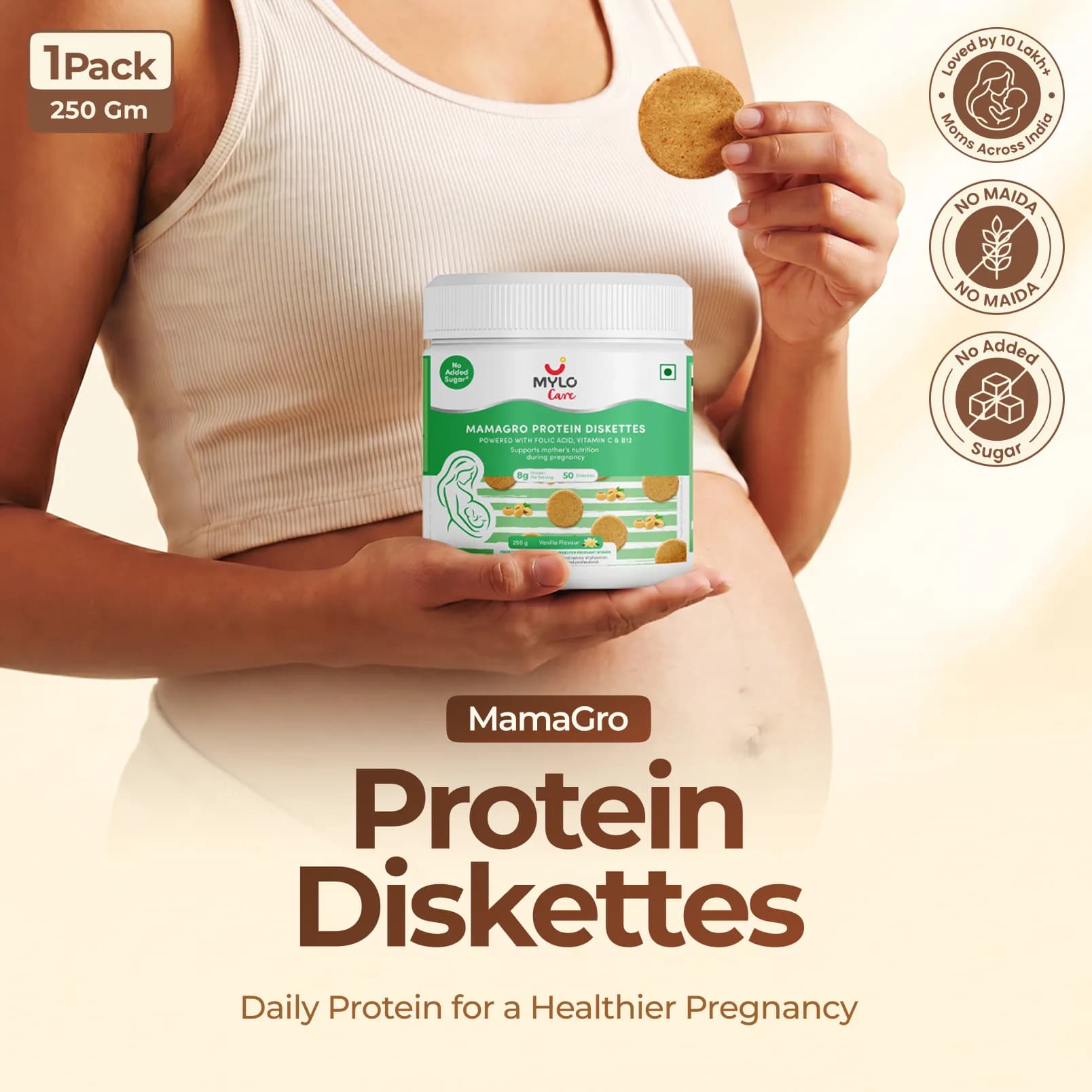 4.6
4.6Quick answer
No ordinary food causes miscarriage. Most first-trimester losses are caused by chromosomal abnormalities in the embryo, which are random and not preventable. A small number of foods are genuinely worth avoiding in pregnancy, but the reason is food-borne infection, mercury or vitamin A excess, not the food itself triggering a loss. Pineapple, ripe papaya, drumstick and sesame are not among them.
Key takeaways
If you have had a miscarriage, it was almost certainly not something you ate. Around half or more of early losses are caused by chromosomal abnormalities that occur at conception and cannot be prevented.
The 18 foods below are worth avoiding, but for specific reasons: infection risk, mercury, vitamin A excess or alcohol. That is a different claim from "this food causes miscarriage."
Several commonly blamed foods are safe. Pineapple, ripe papaya, drumstick, sesame, peach, watermelon and normal Indian spices do not cause pregnancy loss.
The biggest real-world risks are not fruits. They are unregulated herbal preparations, alcohol, uncontrolled diabetes or thyroid disease, and food-borne infection from poor hygiene.
Folic acid and preconception health do far more good than any food restriction. Focus your energy there.
What actually causes miscarriage?
This section comes first deliberately, because it is the context the rest of the article depends on.
Miscarriage is common, affecting a significant proportion of recognised pregnancies. In the large majority of first-trimester losses, the cause is a chromosomal abnormality in the embryo. These arise randomly at conception, are not inherited from either parent in most cases, and cannot be prevented by diet, rest, activity or anything else.
Cause | What it means |
|---|---|
Chromosomal abnormalities in the embryo | The most common cause of early loss. Random, and not preventable |
Maternal age | Risk rises with age, mainly because chromosomal abnormalities become more common |
Uncontrolled diabetes or thyroid disease | Both are treatable, and both are worth optimising before conception. See our guide to diabetes symptoms and management |
Antiphospholipid syndrome and certain clotting disorders | Identified through testing, usually after recurrent loss |
Uterine structural problems, fibroids or scarring | Identified on imaging |
Certain infections | Which is the actual reason behind the food list below |
Smoking, alcohol and recreational drugs | Modifiable, and worth stopping before conception |
Significantly raised BMI | A modifiable risk factor |
Certain medicines | Which is why every medication should be reviewed early |
What does not cause miscarriage: lifting a normal bag, climbing stairs, having sex, exercising in an uncomplicated pregnancy, a stressful day at work, an argument, or eating pineapple.
The 18 foods genuinely worth avoiding or limiting
These are worth avoiding. The honest framing is that they carry a risk of infection, toxicity or harm, and infection or toxicity can, in some cases, threaten a pregnancy. That is not the same as the food itself causing a miscarriage.
Infection risk
1. Unpasteurised milk and products made from it
Includes loose paneer, khoya, and cheeses of uncertain origin. Risk of listeria and other infections. Use pasteurised or well-boiled milk.
2. Raw or undercooked eggs
Includes runny yolks, homemade mayonnaise, raw cake batter and certain desserts. Cook until both white and yolk are firm.
3. Raw or undercooked meat
Risk of toxoplasmosis, listeria and salmonella. Cook thoroughly, and wash hands and boards after handling raw meat.
4. Cold cuts, deli meats and pre-cooked meats eaten cold
Listeria risk. Heat until steaming hot before eating.
5. Raw or undercooked fish and shellfish
Includes sushi, raw oysters and undercooked crab or prawns. Well-cooked crab and prawns are fine.
6. Unwashed fruit and vegetables
Soil carries toxoplasma. Wash thoroughly under running water, and peel where practical.
7. Cut fruit and salads left standing
Particularly from roadside vendors. This is one of the more genuine everyday risks in Indian cities, and it is far more relevant than any fruit on the "forbidden" lists.
8. Raw sprouts
Bacteria can grow in the sprouting process and are not removed by washing. Cook them thoroughly.
9. Refrigerated smoked seafood, and canned seafood once opened and left out
Listeria risk. Cooked in a dish is fine. Canned fish that is shelf-stable and eaten fresh from the tin is fine.
Toxin, mercury or nutrient excess
10. High-mercury fish
Shark, swordfish, king mackerel, marlin, tilefish and bigeye tuna. Low-mercury fish is encouraged, two portions a week, for the omega-3 fats.
11. Animal liver, and high-dose vitamin A supplements
Liver is extremely high in preformed vitamin A, which in excess is linked to birth defects. Avoid liver and liver products, and never take a vitamin A supplement without your doctor's advice.
12. Sprouted, green or damaged potatoes
Contain solanine, which is toxic in quantity. Cut away sprouts and green areas, or discard.
13. Alcohol
No safe amount has been established at any stage of pregnancy. Stop entirely.
14. Caffeine above about 200 mg a day
Roughly two cups of coffee, or three to four cups of tea. Count cola, energy drinks and chocolate. Higher intakes have been associated with increased risk of pregnancy loss, which makes this one of the few genuinely diet-related associations on this page.
15. Concentrated herbal preparations and unregulated Ayurvedic products
This is the most under-recognised real risk on the list. Ingredients, doses and purity are often unverifiable, heavy metal contamination has been documented in some products, and certain herbs affect the uterus or blood pressure. Show every pack to your doctor. Do not take loose or unbranded preparations.
16. Aloe vera taken by mouth
Aloe latex is a strong laxative and is not advised in pregnancy. Topical aloe on the skin is a different matter and is generally fine.
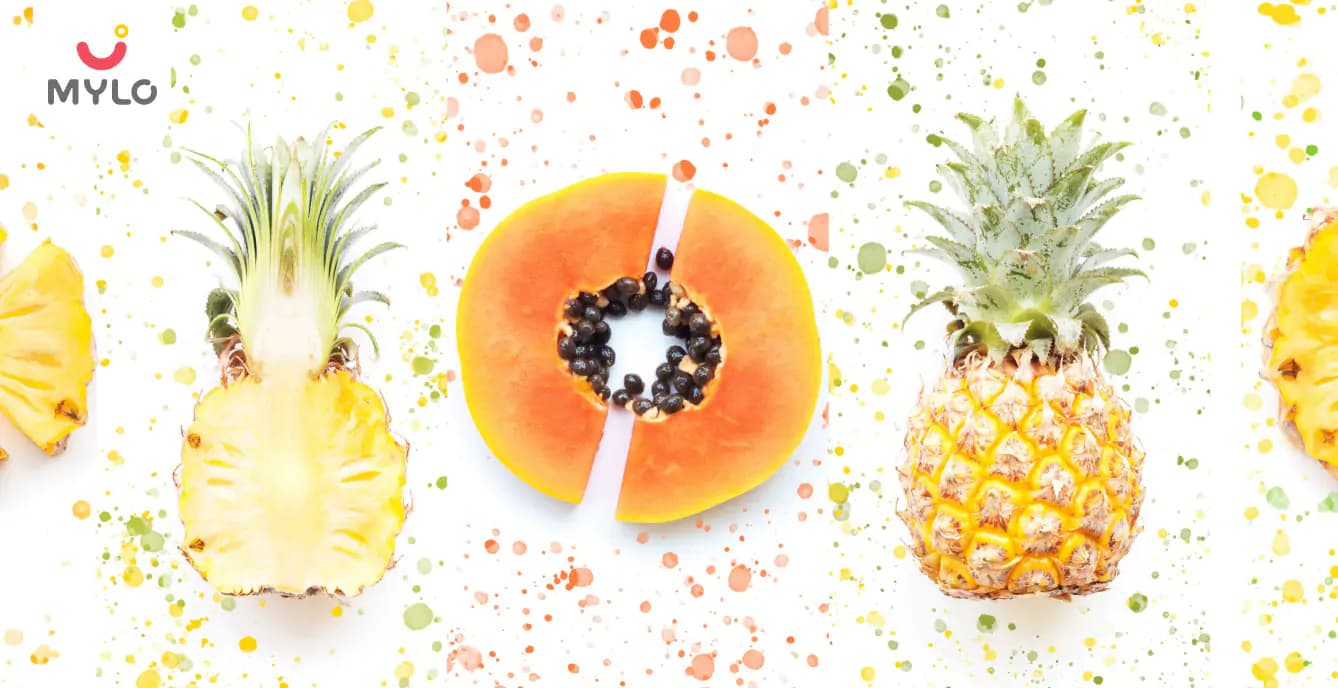
17. Unripe or semi-ripe papaya, and papaya latex
This is the one traditional item with a plausible mechanism. Unripe papaya contains latex, which has shown uterine activity in animal studies. Fully ripe papaya, in normal amounts, is considered safe and is a good source of vitamin C and folate. If you are unsure whether a papaya is fully ripe, leave it.
18. Unpasteurised juices, including roadside sugarcane and fruit juice
Hygiene and contamination risk at the point of preparation, rather than anything about the fruit. Freshly made juice at home is fine.
The foods wrongly blamed for miscarriage
This table may be the most useful thing on this page, particularly if someone in your family is telling you otherwise.
Food | The claim | The reality |
|---|---|---|
Pineapple | Bromelain causes contractions | You would need an implausible quantity of raw pineapple for any effect. Normal amounts are safe |
Ripe papaya | Causes miscarriage | Fully ripe papaya is safe in normal amounts. The concern relates to unripe papaya latex |
Drumstick (sahjan) | Causes miscarriage | Drumstick pods and leaves as food are not associated with pregnancy loss. Concentrated root and bark preparations are a different matter |
Sesame seeds (til) | Causes miscarriage | No evidence. Sesame in normal food amounts is safe and is a good source of calcium |
Peach, watermelon, mango | "Hot" fruits cause loss | No evidence. These are good sources of fluid and vitamins |
Spicy food and masala | Causes miscarriage | Normal Indian cooking is safe. It may worsen your heartburn, which is a comfort issue |
Cinnamon, ajwain, jeera, saunf | Cause contractions | Culinary amounts are safe. Concentrated supplements or extracts are a different question |
Cooked crab and prawns | Cause miscarriage | Well-cooked shellfish is safe. The concern is with raw or undercooked seafood |
Eggs | Cause miscarriage | Fully cooked eggs are safe and an excellent protein source |
"Garam" foods generally | Cause loss | The hot and cold food framework has no scientific basis, and over-restriction based on it reduces your nutrition |
What actually reduces risk
Worth far more of your attention than the avoid list.
Take folic acid, 400 micrograms daily from before conception through the first 12 weeks. A higher dose applies to some women, so ask your doctor. See our first trimester guide
Get diabetes and thyroid disease controlled before conception, not after. Both are treatable and both matter
Stop alcohol and all forms of tobacco, including gutkha and khaini, and avoid second-hand smoke
Keep caffeine under about 200 mg a day
Review every medicine and supplement with your doctor, including Ayurvedic, homeopathic and gym products
Practise basic food hygiene. Wash produce, cook thoroughly, avoid cut fruit left standing
Book antenatal care early, ideally before 12 weeks
Reach a healthy weight before conceiving where possible
Avoid handling cat litter and soil without gloves, because of toxoplasmosis
Eat well rather than eating less. Protein at every meal, iron-rich foods, dal, curd, eggs, vegetables and fruit. If nausea is making that difficult, our guide to managing morning sickness and the first trimester covers what to do.
If you are struggling to meet protein needs because of nausea or food aversions, a pregnancy-formulated protein supplement such as MamaGro Protein Diskettes can be an easier format than a meal. It supports your intake rather than preventing anything, it does not replace a balanced diet, and you should check it with your doctor alongside your other supplements.
If you have had a miscarriage
It was almost certainly not your fault, and almost certainly not something you ate.
This needs saying directly, because self-blame after pregnancy loss is close to universal, and articles like the original version of this page feed it. Women go back over every meal looking for the moment they caused it. In the overwhelming majority of cases there was no such moment.
What is worth knowing:
One miscarriage does not mean it will happen again. Most women who have a miscarriage go on to have a healthy pregnancy
Recurrent loss is investigated. If you have had two or three consecutive miscarriages, ask for a referral. Tests look at chromosomes, clotting disorders, thyroid function, blood sugar and the structure of the uterus
Grief after miscarriage is real and legitimate, at any stage of pregnancy, and it is often unacknowledged by people around you. Talk to your doctor if low mood or anxiety persists
There is no fixed rule about when to try again. Ask your doctor what is right for you medically, and take the time you need emotionally
When to call a doctor
Seek medical care immediately if you are pregnant and have:
Vaginal bleeding, whether spotting or heavier
Severe abdominal pain, especially on one side
Pain at the tip of your shoulder, which with abdominal pain can indicate an ectopic pregnancy
Fainting, dizziness or collapse
Fever, particularly after eating something you are unsure about
Persistent vomiting and diarrhoea, which may indicate food poisoning and needs treatment in pregnancy
Passing tissue or clots
Also contact your doctor if:
You have eaten something on the avoid list and are worried. Most of the time nothing will happen, but it is better to ask than to spend weeks anxious
You take any regular medication, herbal product or supplement that has not been reviewed
You have diabetes, thyroid disease, high blood pressure or a clotting disorder and have just found out you are pregnant
For more on which symptoms in early pregnancy need attention, see our guides to early pregnancy symptoms and what is normal at 10 weeks.
Frequently asked questions
Can eating papaya cause a miscarriage?
Fully ripe papaya in normal amounts is considered safe. The concern relates to unripe or semi-ripe papaya, which contains latex. If you cannot tell whether it is fully ripe, leave it.
Does pineapple cause miscarriage?
No. The bromelain claim would require an implausible quantity of raw pineapple. Normal amounts are safe.
Can spicy food cause miscarriage?
No. Normal Indian cooking is safe in pregnancy. It may worsen heartburn, which is a comfort issue rather than a risk.
I ate something from this list before I knew I was pregnant. What should I do?
Tell your doctor, stop now, and try not to dwell on it. Most women have a few weeks of not knowing, and a single exposure rarely changes anything.
Are sesame seeds safe during pregnancy?
Yes, in normal food amounts. Til is a good source of calcium and there is no evidence linking it to pregnancy loss.
Can I eat drumstick during pregnancy?
Yes, as a vegetable. Drumstick pods and leaves are nutritious. Concentrated root or bark preparations are a different matter and should be avoided.
Is it safe to eat crab and prawns while pregnant?
Yes, when thoroughly cooked. Avoid raw or undercooked shellfish, and avoid high-mercury fish.
How much caffeine is safe in pregnancy?
Up to about 200 mg a day, roughly two cups of coffee or three to four cups of tea. Count cola, energy drinks and chocolate.
What actually causes most miscarriages?
Chromosomal abnormalities in the embryo, which occur randomly at conception and cannot be prevented. Most early losses fall into this category.
Kya papita khane se miscarriage hota hai?
Pura pakka hua papita normal maatra mein surakshit maana jaata hai. Kachche ya aadhe pakke papite mein latex hota hai, isliye usse bachein. Agar pakka hone ka bharosa na ho to na khayein.
The bottom line
No ordinary food causes miscarriage, and the large majority of early pregnancy losses happen because of chromosomal abnormalities that no diet could have prevented. The eighteen foods above are still worth avoiding, but for honest reasons: infection, mercury, vitamin A excess and alcohol. Pineapple, ripe papaya, drumstick and sesame are not on that list and never should have been. Put your effort into folic acid, controlling diabetes or thyroid disease, stopping alcohol and tobacco, and basic food hygiene, because those are the things that genuinely make a difference.
Sources
World Health Organization, recommendations on antenatal care for a positive pregnancy experience
Royal College of Obstetricians and Gynaecologists, early miscarriage and recurrent miscarriage guidance
American College of Obstetricians and Gynecologists, early pregnancy loss, nutrition during pregnancy, and listeria and pregnancy
NHS, foods to avoid in pregnancy, and miscarriage causes
Centers for Disease Control and Prevention, listeria, toxoplasmosis and food safety for pregnant women
US Food and Drug Administration and Environmental Protection Agency, advice about eating fish
National Institute for Health and Care Excellence, ectopic pregnancy and miscarriage: diagnosis and initial management
Indian Council of Medical Research and National Institute of Nutrition, dietary guidelines for Indians
Federation of Obstetric and Gynaecological Societies of India, antenatal care recommendations
This article is for general information and is not a substitute for medical advice. If you are pregnant and have bleeding, severe abdominal pain, shoulder tip pain or faintness, seek medical care immediately
Trusted by Mamas Building Safe Pregnancy Plates
Gentle, mama-safe nutrition and wellness essentials to support you through every careful bite of your pregnancy journey.
Pregnancy Massage Oil + Coconut Oil - 200 ml each



Baby Wellness Kit | Skincare Gift Set for Newborns



MamaGro™ Protein Diskettes - 250gm - Vanilla
Supports Healthy Placenta | Supports Fetal Development

Article Posted Under
Related Articles
Related Topics
.webp&w=32&q=75)
Medical Disclaimer
This content is for informational purposes only and should not replace professional medical advice. Consult with a physician or other health care professional if you have any concerns or questions about your health. If you rely on the information provided here, you do so solely at your own risk.


AWARDS AND RECOGNITION

Mylo wins Forbes D2C Disruptor award

Mylo wins The Economic Times Promising Brands 2022
AS SEEN IN












- Mylo Care: Effective and science-backed personal care and wellness solutions for a joyful you.
- Mylo Baby: Science-backed, gentle and effective personal care & hygiene range for your little one.
- Mylo Community: Trusted and empathetic community of 10mn+ parents and experts.


Product Categories
Baby Carrier | Baby Soap | Baby Wipes | Stretch Marks Cream | Baby Cream | Baby Shampoo | Baby Massage Oil | Baby Hair Oil | Stretch Marks Oil | Baby Body Wash | Baby Powder | Baby Lotion | Diaper Rash Cream | Newborn Diapers | Teether | Baby Kajal | Baby Diapers Pants | Cloth Diapers | Laundry Detergent | Lactation Granules |